
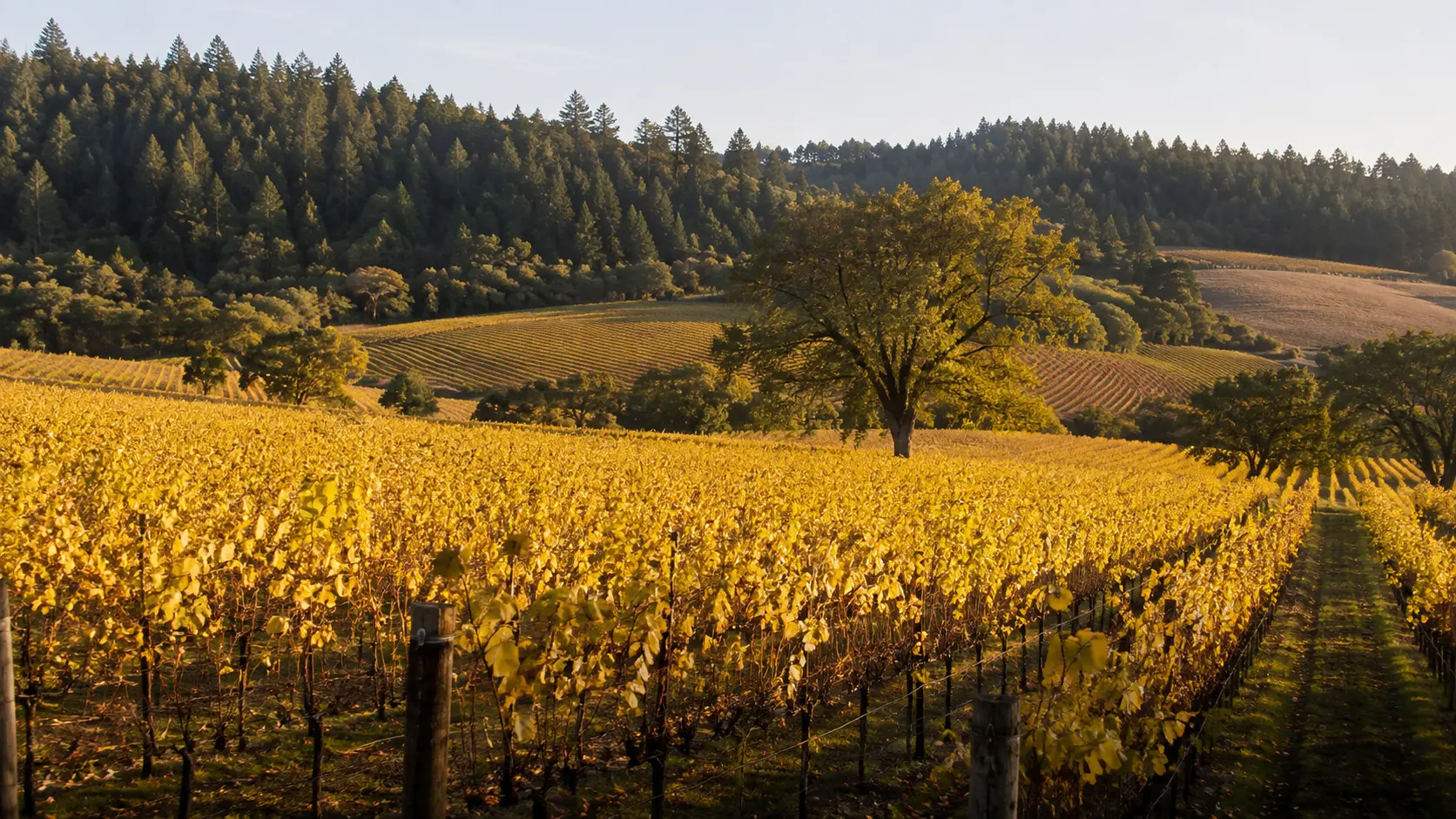
Our story
The 2 Bar story began long before the vines.
Before Pinot Noir and Chardonnay, there were farms, horses, cattle and ranches. Working land has appeared again and again in our family’s history, from the Midwest to Montana and the High Plains.
The 2 Bar name comes from that history. Sonoma County is simply where the story has found its newest crop.
Before wine
Land, animals and enterprise.
Agriculture was never one single family business. It appeared in different forms across different branches and generations.
There were stock-and-grain farms. There were horses and livery businesses. There were cattlemen, ranches and irrigation projects across the northern plains. The places changed, but the pattern was remarkably consistent: land, animals, work and the willingness to build something from them.
Wine is new to the family. Working land is not.
The name
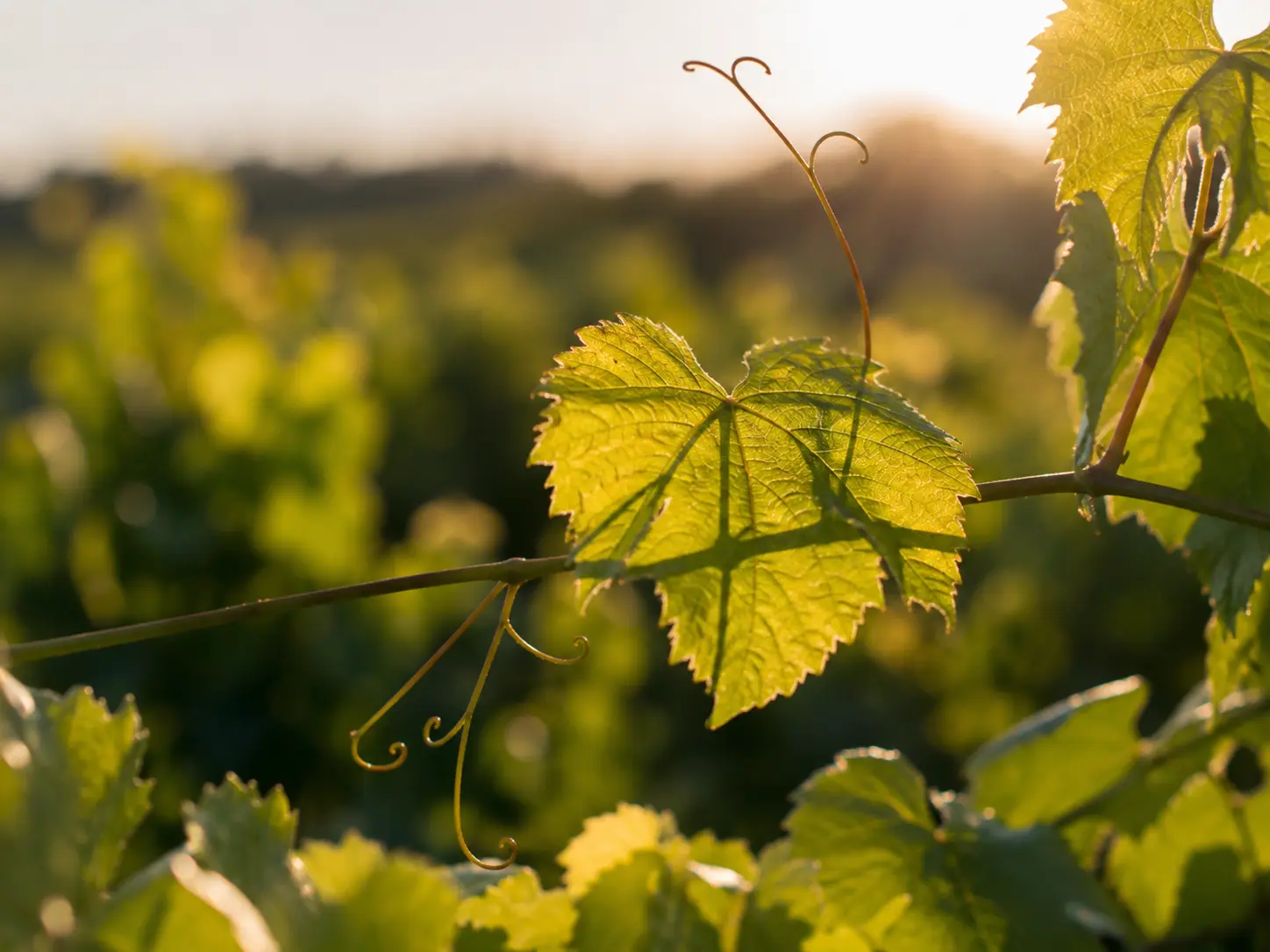
Where 2 Bar comes from.
The 2 Bar name traces into the Springer side of our family and a genuine connection to the Two-Bar Ranch near Wheatland, Wyoming.
The story sits within a much broader family ranching history. Henry Monroe Springer was a farmer, stockman and horse trader whose life was deeply tied to agriculture on the High Plains. His daughter Odessa Springer married E.B. Dearing, a Wyoming cattleman whose branded cattle were documented near Horse Creek and Springer Reservoir as early as 1918.
Another branch of the Springer family later became directly connected to the Two-Bar Ranch near Wheatland. What survived through generations as family ranching stories turned out to have real roots.
The name followed the family west. Today, 2 Bar Ranch West carries that history into a very different landscape.
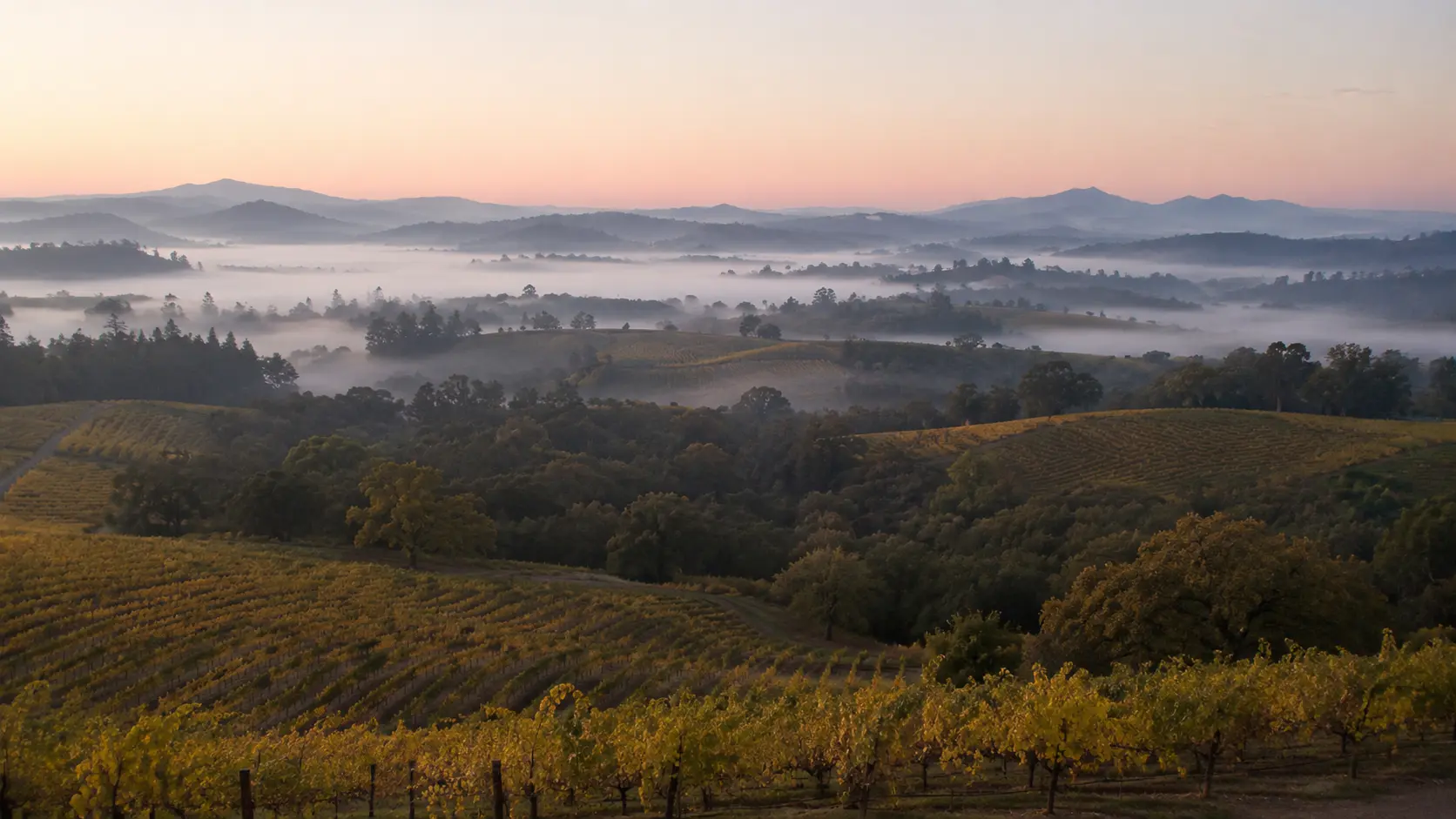
A family pattern
Different places. Familiar work.
The Farm
Michael Murphy
A large stock-and-grain farm in Minnesota represents another branch of the family’s agricultural roots: livestock, crops and the practical economics of working land.
The Horses
Thomas Lavell
In Butte, Montana, Thomas Lavell built a business around horses, livery and transportation at a time when horses were both livelihood and infrastructure.
The High Plains
The Springer & Dearing family
Farming, horse trading, cattle and ranching carried the family story through Nebraska and Wyoming and eventually into the Two-Bar chapter near Wheatland.
Then came wine
A new crop in an old family story.
Wine was not handed down to us through generations. We came to it much later.
Across River Road, a small Chardonnay planting became our family’s first experiment with growing, crushing and bottling our own fruit. It was enough to make us curious.
In 2026, the neighboring River Road Vineyard brought established Pinot Noir and Chardonnay into the family holding and connected roughly one hundred acres across the road from one another.
Suddenly, wine was no longer just an experiment. It had become the next chapter.
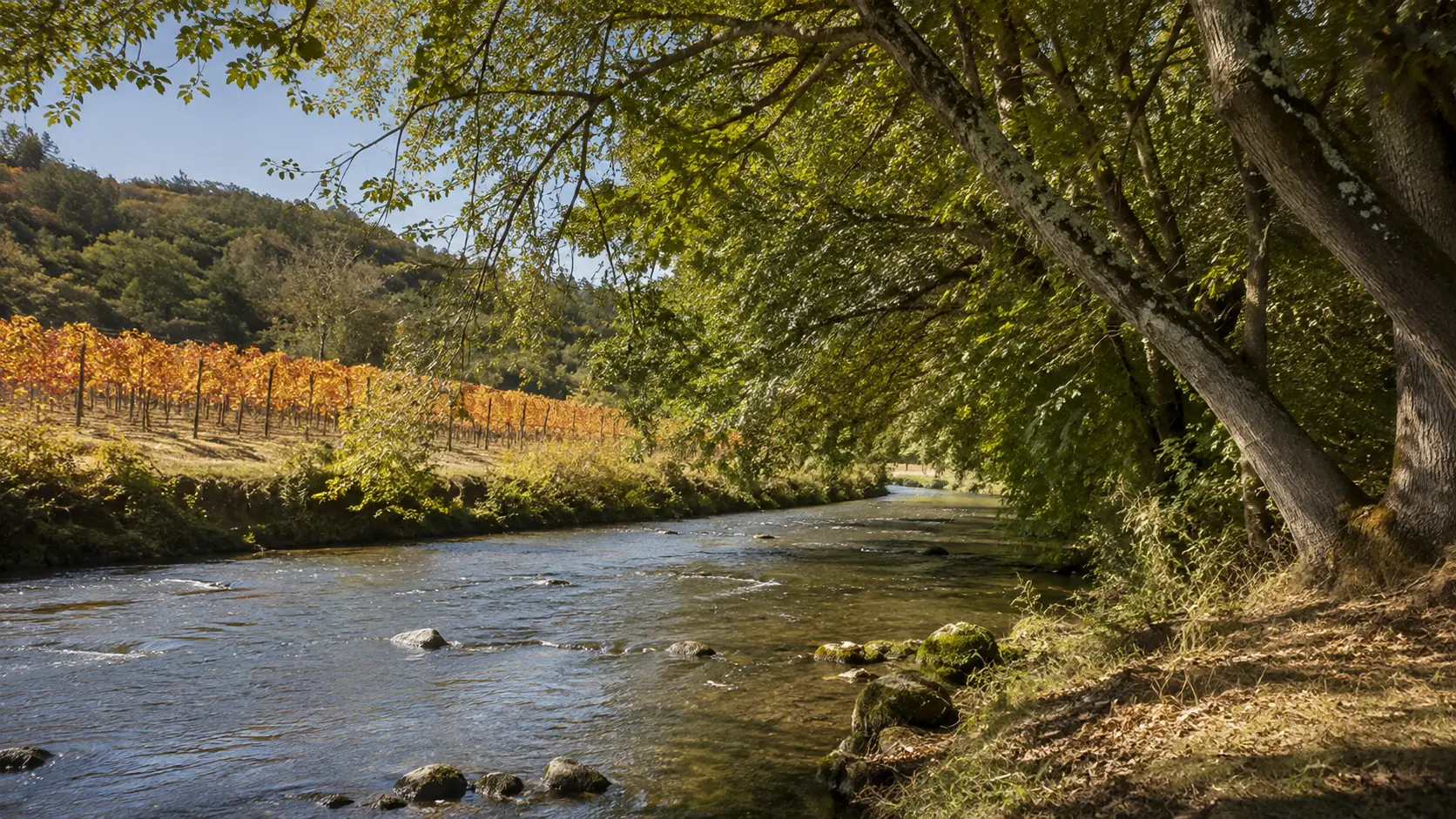
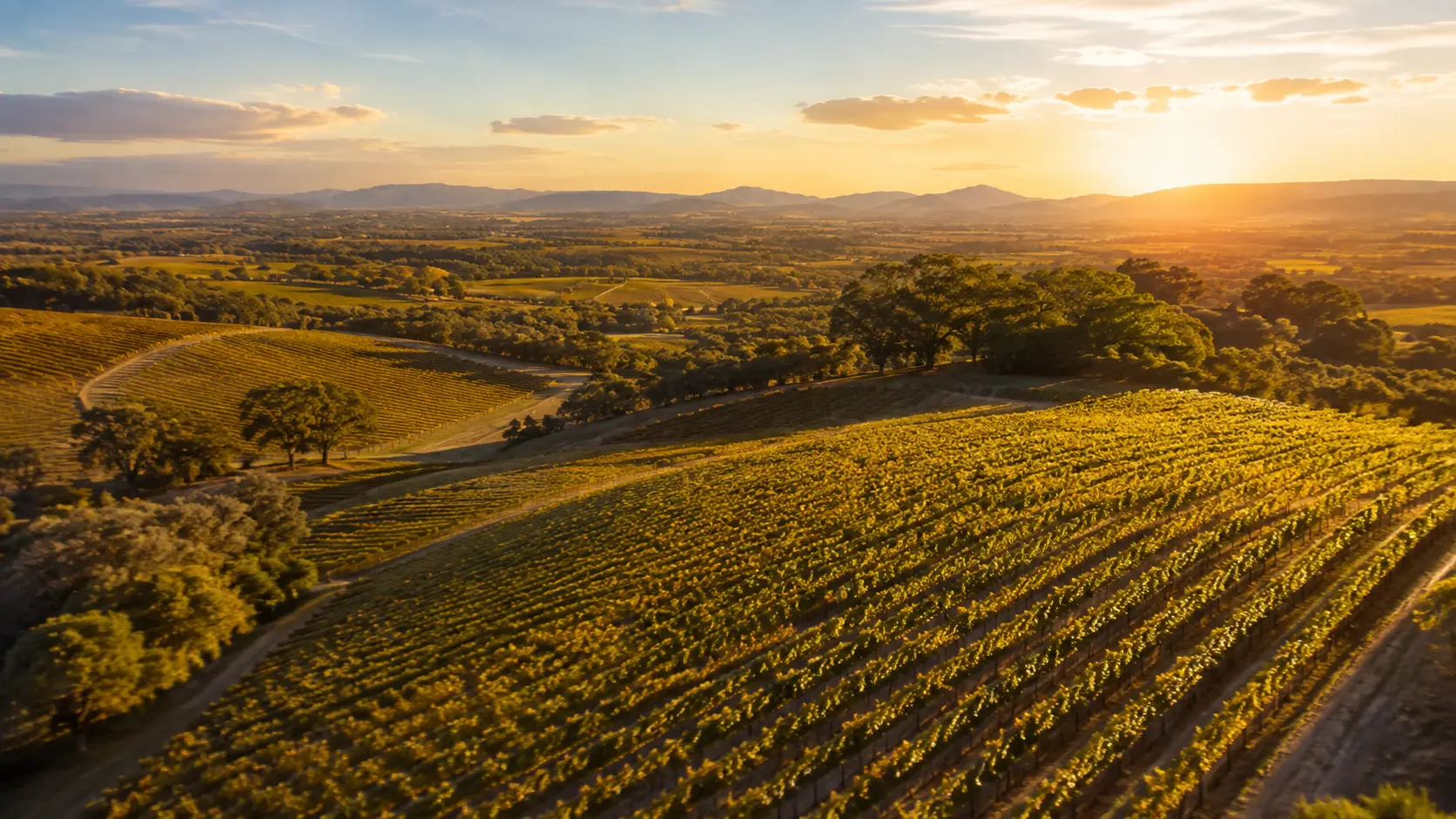
Ranch West
Carrying the name forward.
2 Bar Ranch West is not an attempt to recreate a Wyoming ranch in Sonoma County.
It is a continuation of something more useful: respect for land, independence, family enterprise and the idea that what we build should outlast the season we are in.
The crop is different. The landscape is different. The values feel familiar.
From cattle country to wine country.
The next chapter